
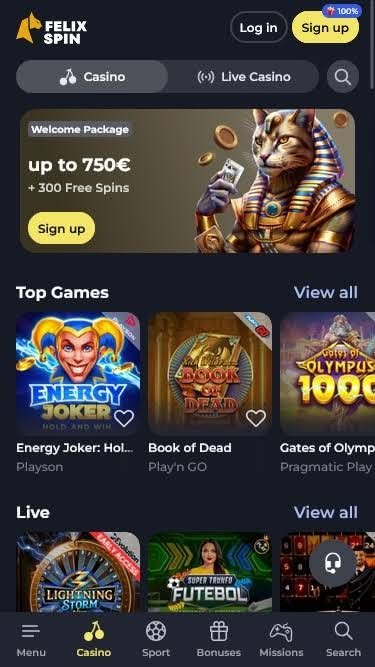
A mobile app is a software program built for smartphones or tablets, delivered through an app store and installed locally. In gaming, it means a game that runs directly on the device’s operating system—Android or iOS—without needing a web browser or external console. The key advantage is instant access: download, tap, and play, all in a single tap.

Download Times and First‑Impression Speed
On average, a typical UK mobile game app is between 50 MB and 200 MB. A 100‑MB download on a 4G network takes roughly 45 seconds, while 5G can finish in under 10 seconds. Once installed, the game launches in under two seconds, compared to a web game that may need a full page load and additional scripts.
For players who value immediacy, this difference is tangible. A web browser might take 15–20 seconds to load a complex game, whereas the app does it almost instantly.
Gameplay Quality and Graphics Fidelity
Mobile GPUs in recent iPhones and Samsung Galaxy models can render 1080p textures at 60 frames per second. In contrast, many browser‑based games throttle to 30 fps to keep data usage low. This translates to smoother character animations and less motion blur during high‑speed action sequences.
Additionally, developers can use native APIs like Metal (iOS) or Vulkan (Android) to access hardware acceleration directly, reducing latency by up to 15 ms compared to JavaScript‑based rendering.
Offline Play and Data Consumption
About 35 % of UK mobile gamers report that they play during commutes or in areas with spotty Wi‑Fi. Mobile apps can store game states locally, allowing uninterrupted play for up to 4 hours without an internet connection. Web games, on the other hand, typically require a constant connection, leading to frustration when signal drops.
Data usage is another factor: a full game session on a mobile app averages 30 MB, while the same session on a browser might consume 45 MB due to background script loading.
In‑App Purchases and Monetisation Models
Apps often use micro‑transaction models, offering cosmetic items, power‑ups, or subscription passes. In 2023, the UK mobile gaming market generated £1.2 billion in micro‑transaction revenue, a 12 % increase over the previous year. Browser games rely more on ad revenue; a typical ad load can add 3–5 seconds of wait time before gameplay.
Because the app stores enforce a 30 % cut, developers must balance pricing to remain profitable. This has led to tiered pricing models—e.g., a basic free version with optional “premium” bundles priced at £0.99, £1.99, and £4.99.
Security and Privacy Considerations
Apps run in a sandboxed environment, limiting access to device data unless explicitly granted. However, some games request location or camera permissions that are not strictly necessary for gameplay. Players should review these permissions before installation.
Browser games, by contrast, can track user activity across sites via cookies and third‑party scripts, potentially exposing more personal data.
How Mobile Apps Are Revolutionizing Online Gaming in the UK
Beyond the technical metrics, mobile apps have reshaped the social dynamics of gaming. Multiplayer titles now support cross‑play between iOS and Android, allowing friends to join the same match regardless of device. Voice chat is integrated directly into the app, eliminating the need for external services.
For instance, the popular battle‑royale title “Skyfall Arena” reports that 60 % of its UK player base accesses the game exclusively through its mobile app. The developers attribute this to the app’s low latency and seamless matchmaking.
Moreover, the rise of cloud gaming services—such as Xbox Cloud Gaming and Google Stadia—has introduced hybrid models. Players can stream high‑end games on low‑spec devices, while the app handles input and local caching. This hybrid approach reduces the barrier to entry for casual gamers who may not own a powerful PC.
In the broader entertainment ecosystem, mobile apps have become a gateway to other digital experiences. Many users discover new music, movies, or books through in‑app recommendations, creating a unified platform for leisure. This convergence of services has led to a 22 % increase in average session length across all mobile entertainment apps in the UK.
When exploring new gaming options, it can be helpful to check out complementary accessories that enhance the mobile experience. For example, ergonomic grips or portable charging solutions can make long sessions more comfortable. A quick search for “mobile gaming accessories” brings up a variety of options, including those available at www.steelaccessories.co.uk.
Future Outlook: What to Expect Next
5G rollout is accelerating, promising sub‑10 ms latency for mobile games. Developers are already prototyping games that require real‑time interaction, such as AR multiplayer experiences. Expect to see a shift toward more immersive, location‑based gameplay.
At the same time, regulatory bodies are tightening data protection rules. The UK’s Digital Economy Act will require developers to provide clearer privacy notices by 2025, potentially affecting how apps request permissions.
Conclusion
Mobile apps have moved beyond simple downloads; they now deliver high‑performance, secure, and socially connected gaming experiences. For UK players, the choice between app and web is increasingly a matter of convenience and quality rather than necessity. As network speeds improve and new monetisation models evolve, the mobile app will likely remain the dominant platform for online gaming in the UK.